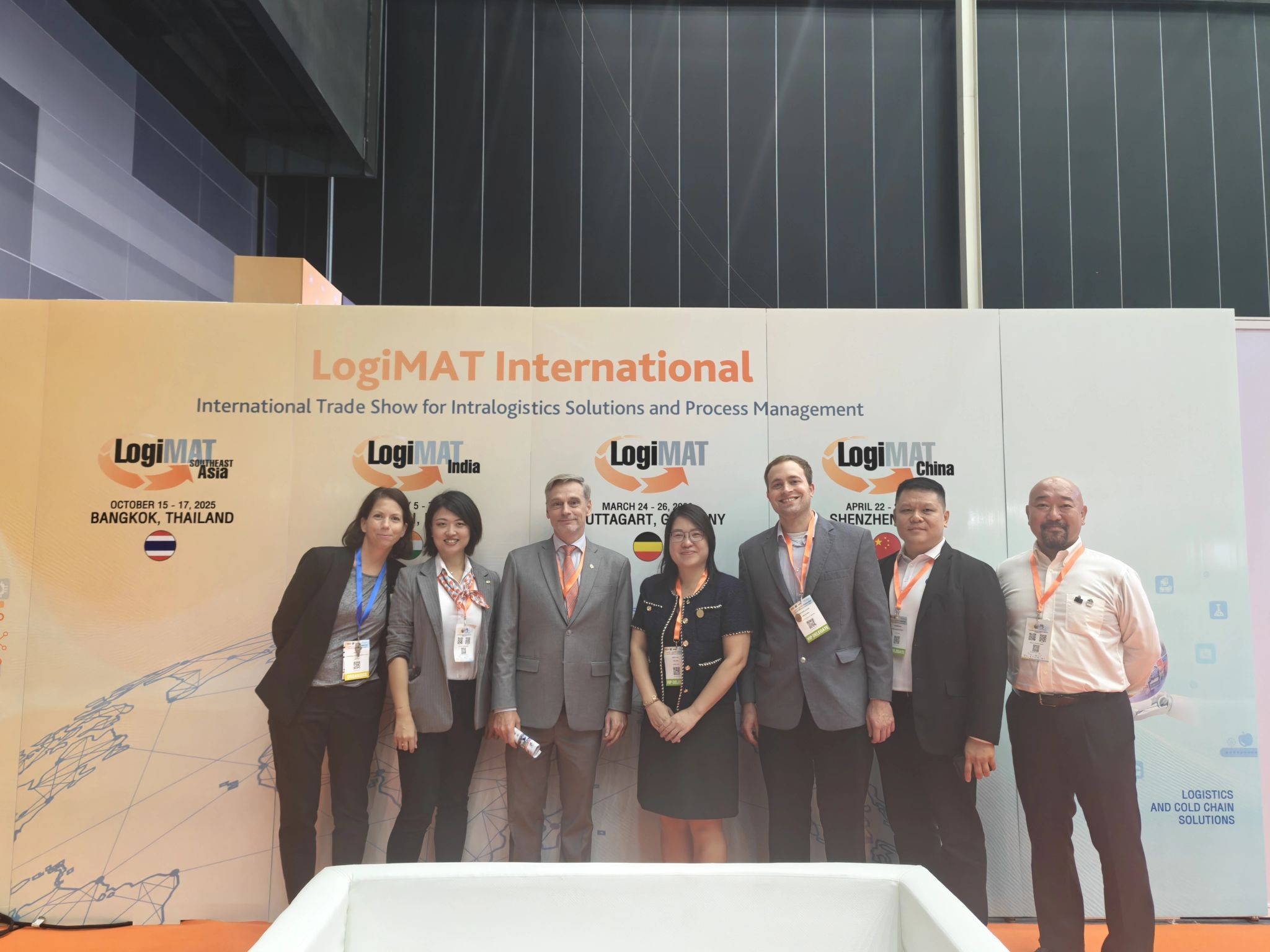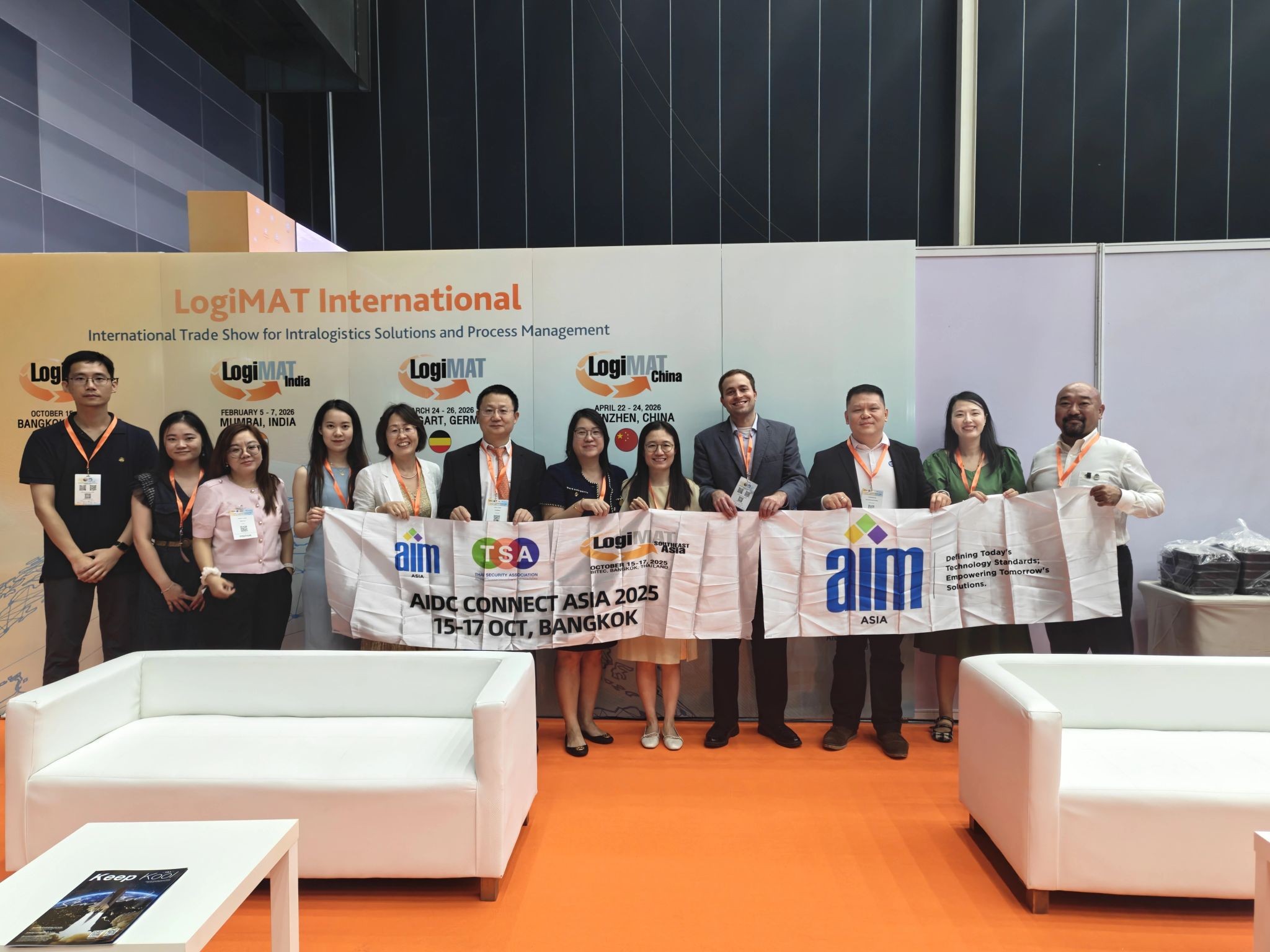
My recent trip to Bangkok, Thailand in the Asia region offered a unique opportunity to see the incredible progress being made in logistics, supply chain, and digital identification technologies. It was an honor to represent AIM Global at the AIM Asia VIP Tour and LogiMAT Southeast Asia; a premier international trade show dedicated to intralogistics solutions and process management as well as at several meetings in the area focused on learning and collaboration.
The meetings I attended started with LogiMAT Southeast Asia, which showcased the future of supply chain innovation, from automated material handling and warehouse robotics to AI-driven logistics visibility and digital transformation tools. The event brought together leaders from across Asia and beyond to explore solutions that optimize speed, accuracy, and sustainability in modern logistics networks.
The AIM Asia delegation was warmly received by the event organizers and key regional leaders. We had the privilege of joining guided tours, meeting with solution providers, and learning about new advances in smart warehousing, AI-powered systems, and connected supply chain infrastructures that align with AIM’s mission to enable trusted, interoperable data capture and identification worldwide.
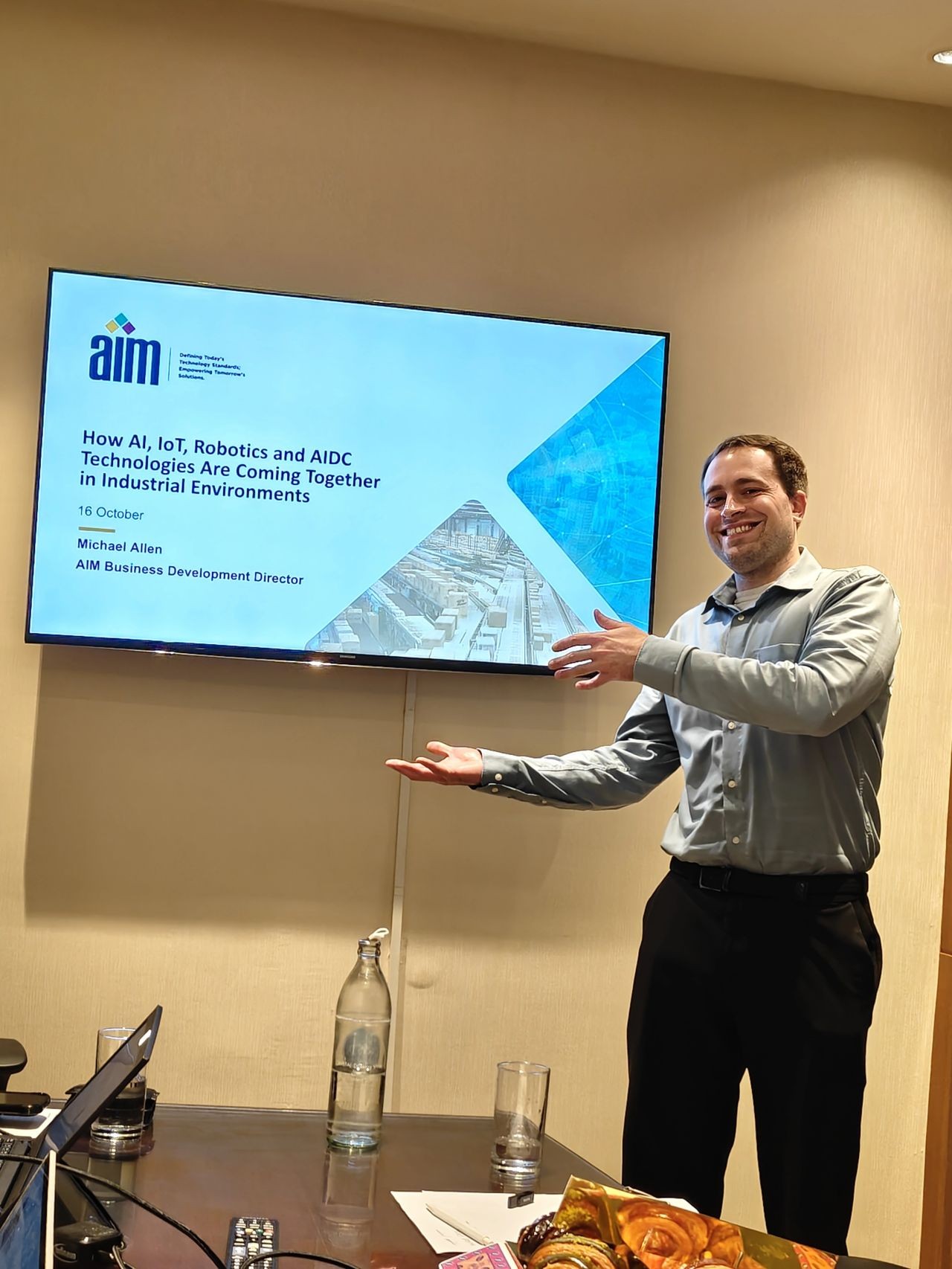
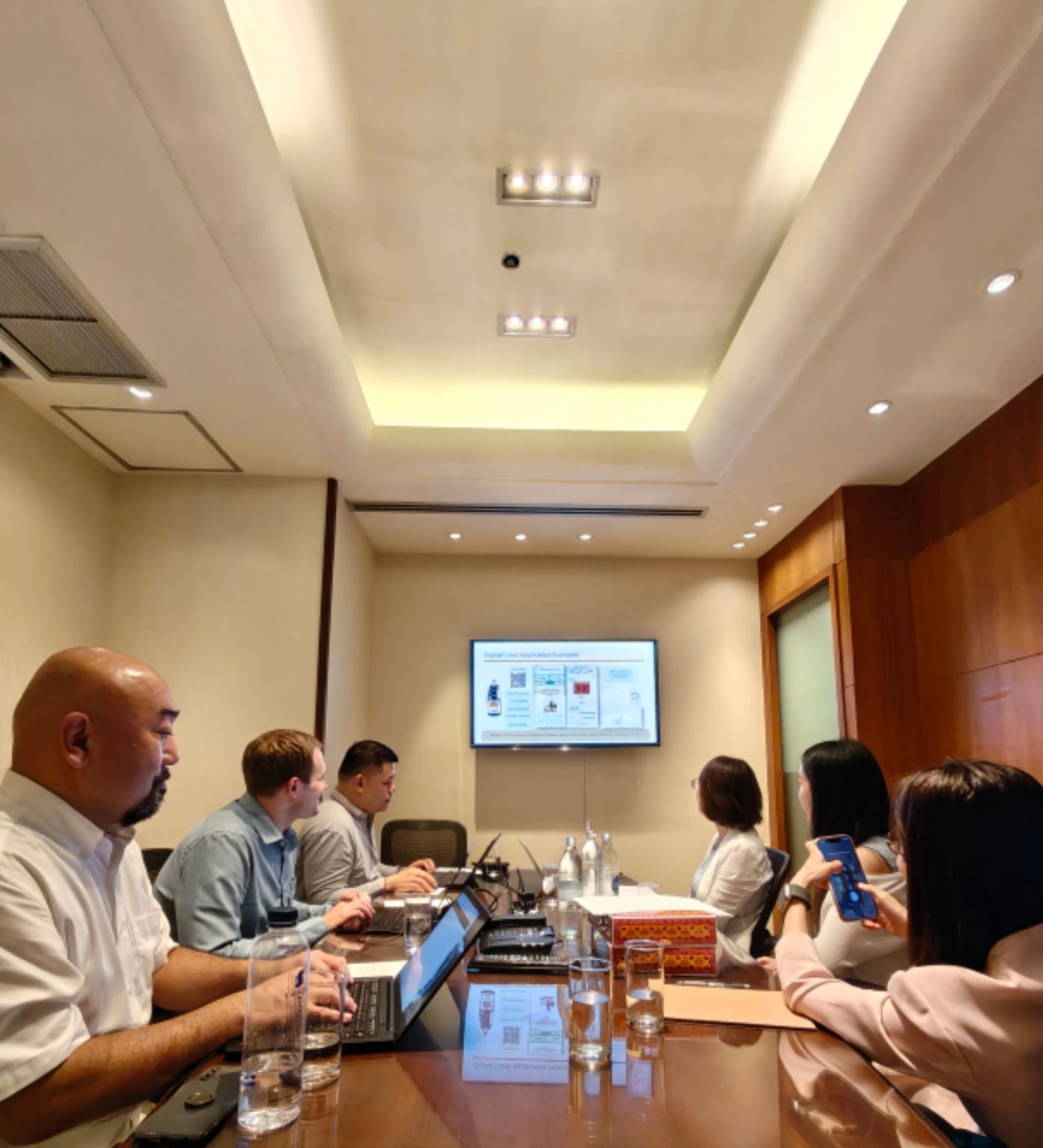
The next day, I was a part of a board meeting hosted by AIM Asia, where I had the opportunity to present on “How AI, IoT, Robotics and AIDC Technologies Are Coming Together in Industrial Environments.” The discussion centered on how Artificial Intelligence, the Internet of Things, Robotics, and automated data capture tools including barcodes, RFID, RTLS, and machine vision, are rapidly converging to create smarter, more responsive industrial systems
Some key discussion points were:
- Technology convergence is driving measurable efficiency gains, cost reductions, and improved quality across operations.
- AI and IoT depend on accurate, standardized data from AIDC technologies to make reliable decisions.
- Autonomous robots and AI-driven workflows are reshaping warehouse and manufacturing environments, with smart robots projected to outnumber frontline workers by 2028.
- Data visibility and product authentication remain central to enabling traceability and regulatory compliance.
Our board meeting also featured excellent discussions around product identification, the future of 2D codes, and further talk on product transparency, particularly how regional collaboration can accelerate global interoperability and the adoption of standards for Digital Product Passports (DPPs), Unique Device Identification (UDI), and smart labeling systems.
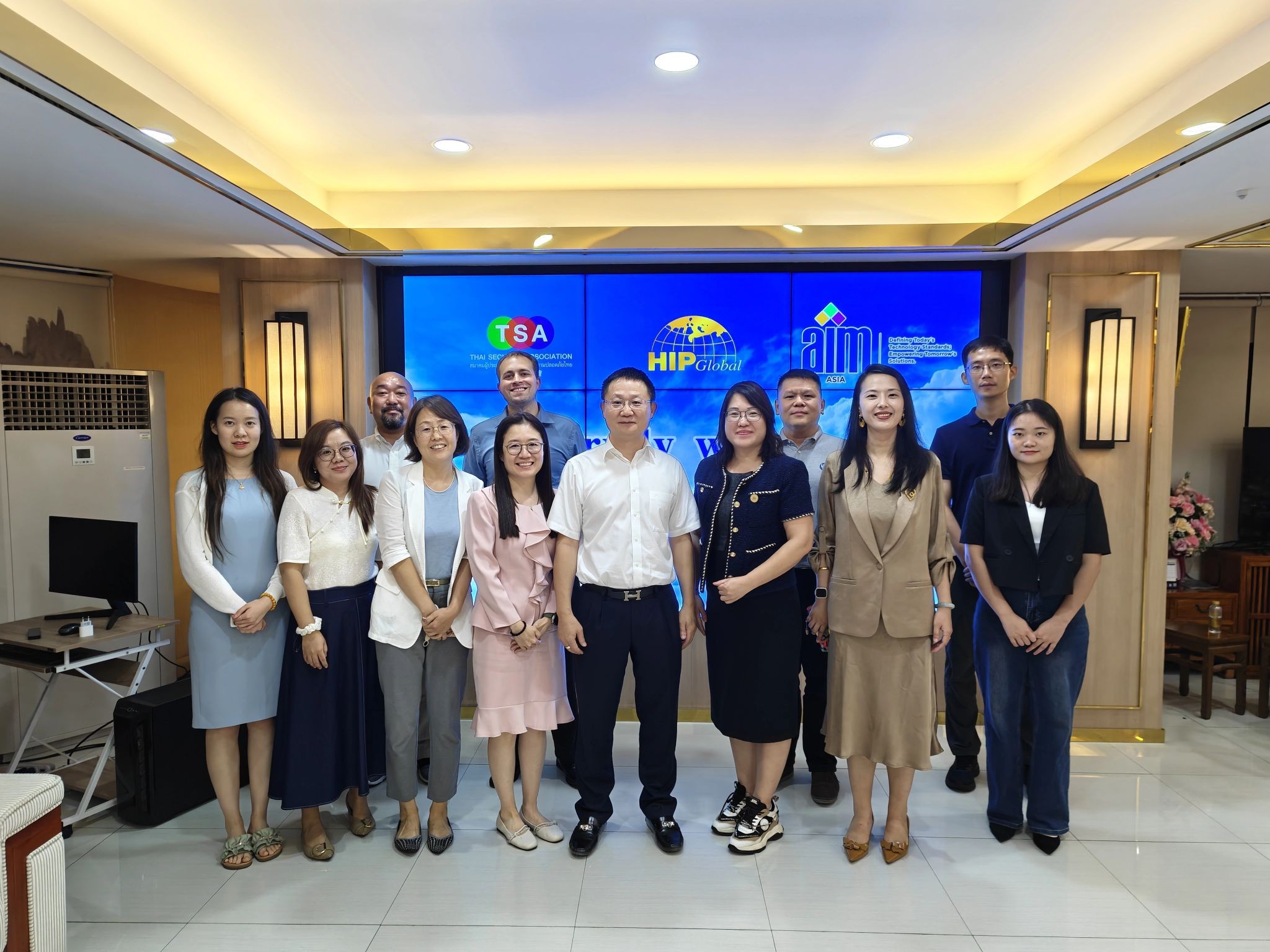
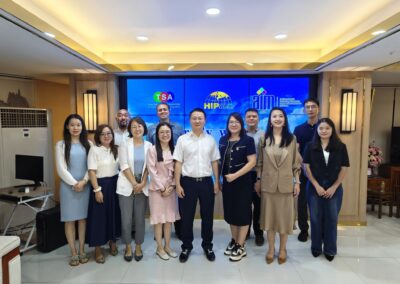
Later that day we had a great meeting at the HIP Global Office where we heard from their Executive Director Mr. Thaweechai Yang, who also is the President of the Thai Security Systems Operators Association. This meeting ofr me highlighted the power of cross-regional collaboration in advancing the effective uses of identification technlogies. I extend my sincere appreciation to the organizers of LogiMAT Southeast Asia, as well as Mr. Yang and his team for their warm hospitality.
I would also like to express my deep gratitude to:
- Dr. Pui Yi (Anna) Lau, President of AIM Asia as well as Kenneth Yung, for leading the coordination of the tour and facilitating valuable regional engagement.
- Masaki Ehara, President of AIM Japan, for his partnership and meaningful dialogue throughout the event.
- Yaw Peng, NG, and our colleagues from AIM and GS1 China, for their hospitality, guidance, and thoughtful discussions on regional innovation and standardization efforts.
This trip reinforced the growing importance of international cooperation in building a more transparent, data-driven future. As technologies continue to converge, AIM’s role in fostering standards, trust, and interoperability will remain essential to connecting technologies, and people, across borders.
Together with our chapters leadership and our global network, we are laying the foundation for a more visible, intelligent, and sustainable supply chain ecosystem.